General vehicle fire awareness
A fire needs heat, fuel, and oxygen. A vehicle contains all three: hot engine and exhaust parts, flammable fluids, and airflow. Awareness starts with knowing where these meet.
Vehicle Fire Awareness
Explore vehicle fire awareness, common automotive fire risk factors, emergency preparedness, and general safety concepts through accessible educational guides.
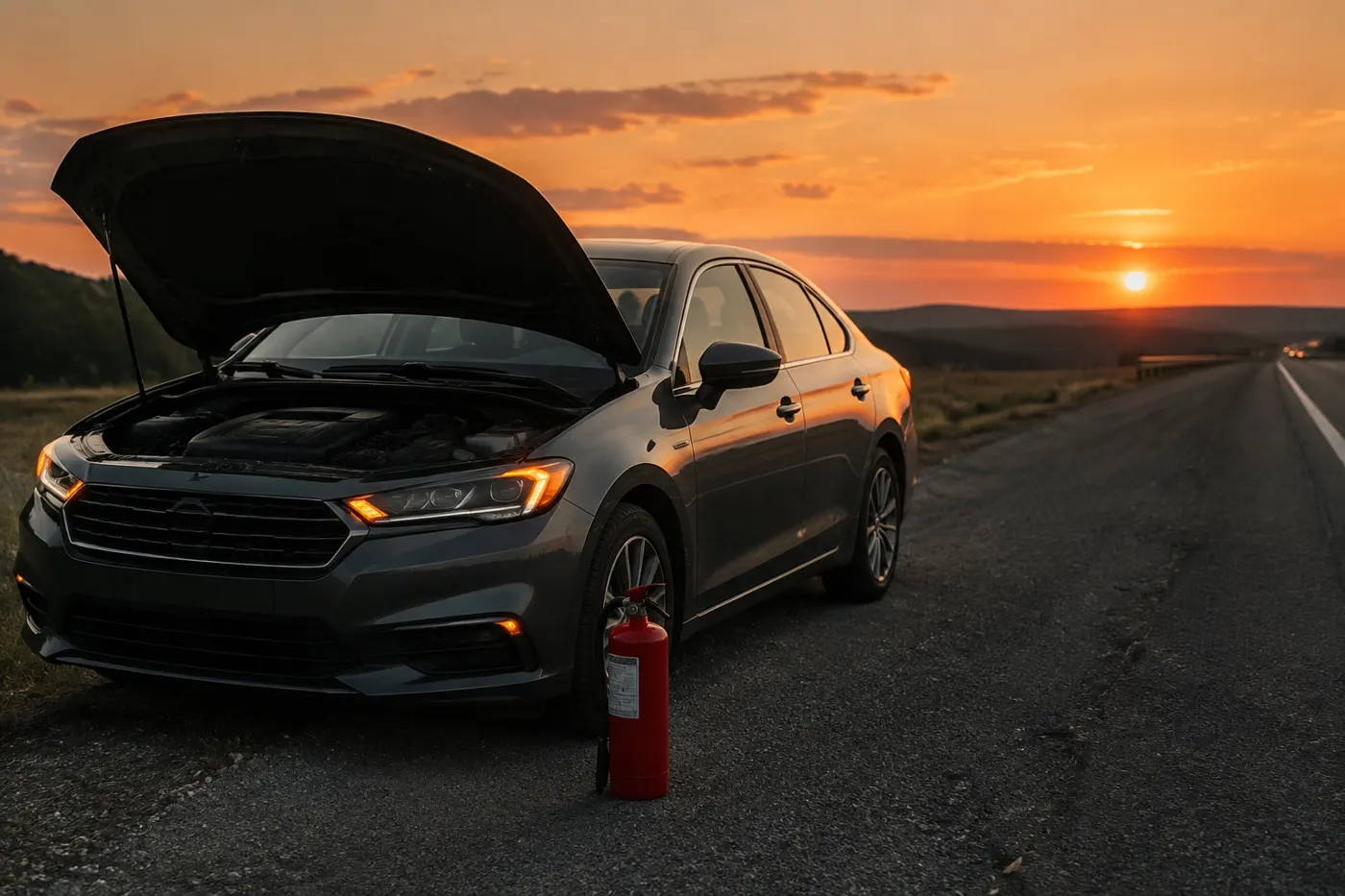
01 · Fire Safety Basics
A fire needs heat, fuel, and oxygen. A vehicle contains all three: hot engine and exhaust parts, flammable fluids, and airflow. Awareness starts with knowing where these meet.
Common contributors discussed in general safety literature include electrical faults, fluid leaks, overheating, and deferred maintenance.
Some signs are worth taking seriously and having checked by a qualified professional.
Regular maintenance from qualified technicians, prompt attention to recalls, and a clear plan for leaving the vehicle safely are simple, practical habits.
02 · Common Risk Factors
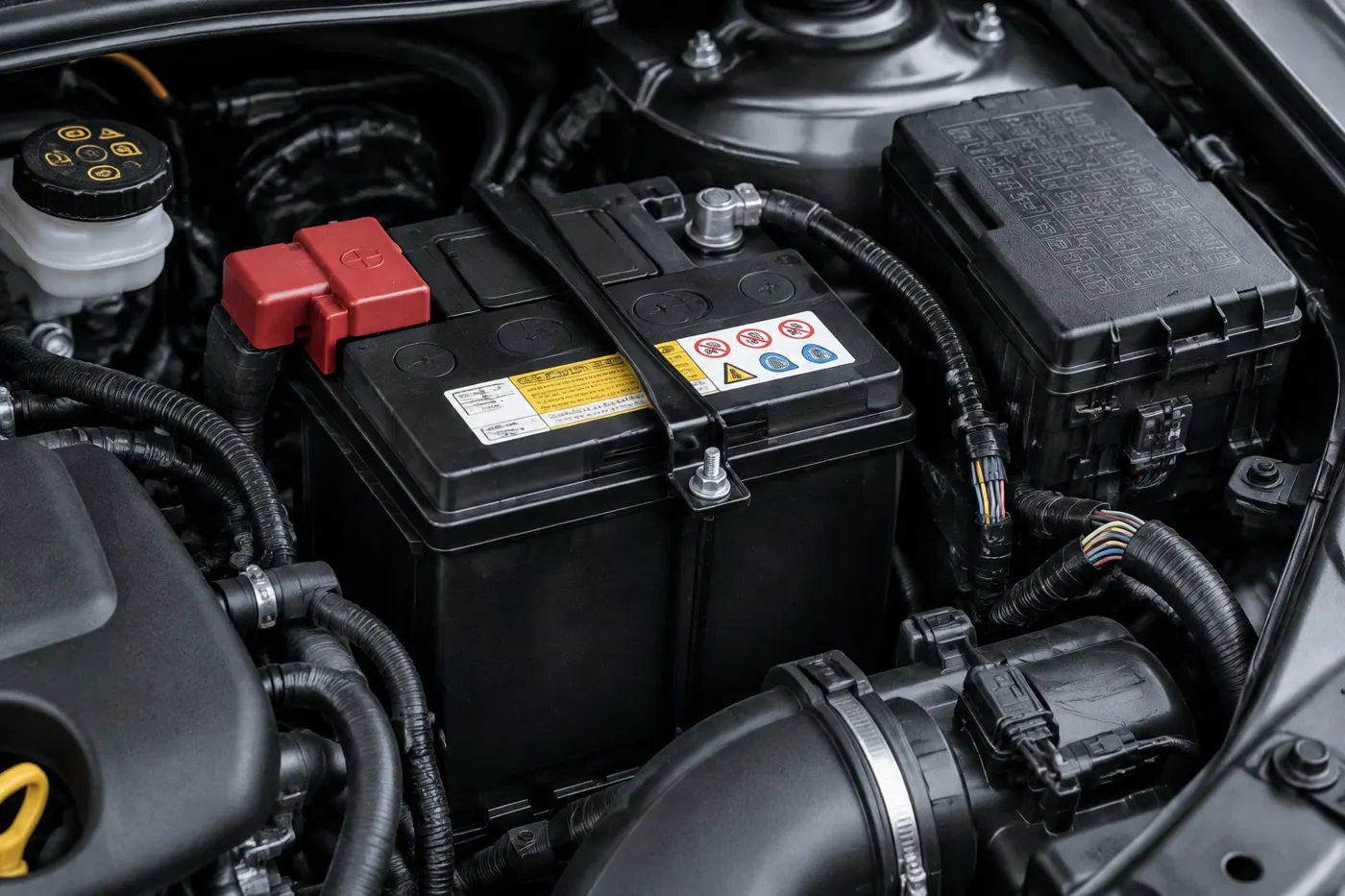
Batteries, wiring, and aftermarket accessories carry current through the vehicle. Chafed insulation, loose connections, or improper installations can generate heat. Electrical work is best left to qualified technicians.
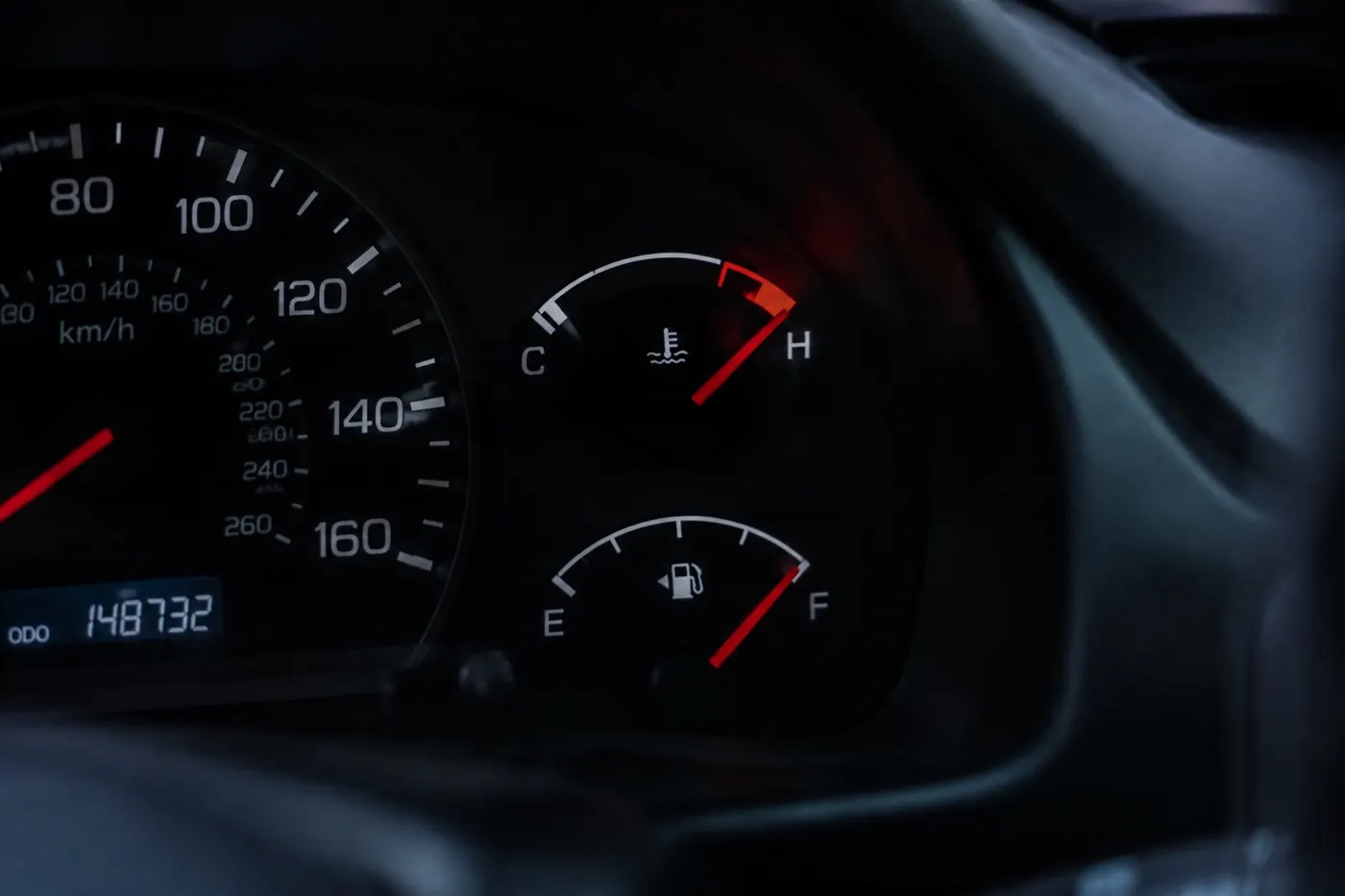
An engine running hotter than normal can affect nearby components and fluids. Watch the temperature gauge and warning lights, and avoid opening a hot radiator cap.
Fuel lines, injectors, and tanks are designed to contain flammable liquid. A fuel smell, visible drips, or wet spots under the vehicle are reasons to stop driving and seek a professional inspection.
Worn hoses, old gaskets, and debris such as leaves or nesting material near the exhaust can raise risk over time. Routine inspections help catch these early.
03 · Emergency Preparedness
Preparation is about having a plan before you need one. This page shares general considerations only. Motor Ember is not an emergency response service.
Read the preparedness guide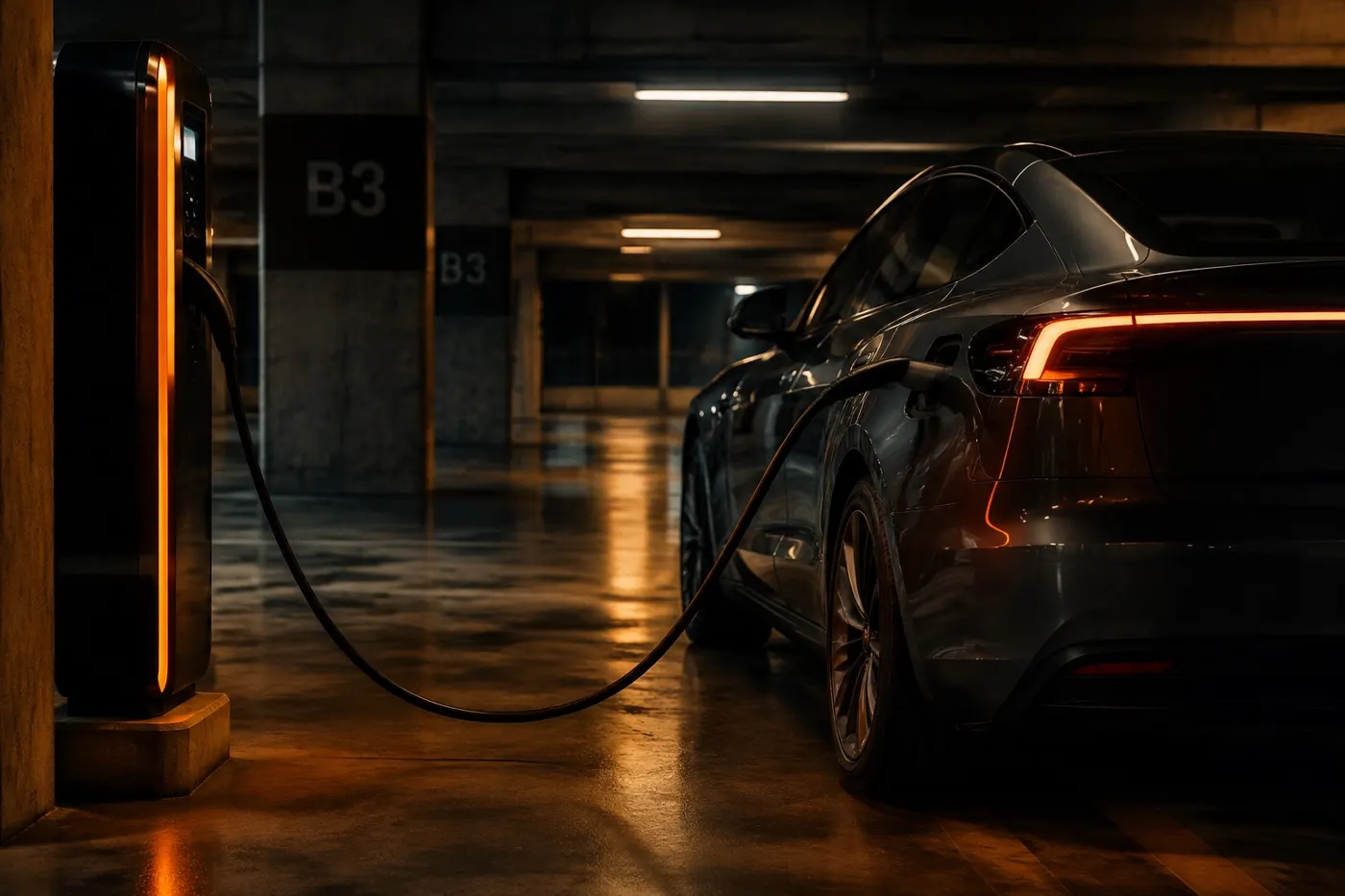
04 · Electric Vehicle Fire Awareness
High voltage battery packs store a large amount of energy. Battery fires are uncommon, but they can be harder to extinguish and may reignite. Follow manufacturer charging guidance, use approved charging equipment, have collision damage to the battery area professionally assessed, and tell emergency responders when a vehicle is electric.
05 · Safety Guides and Learning Resources
Vehicle Fire Warning Signs
Unusual smells, smoke, and repeated electrical faults are worth attention.
Read guideAutomotive Electrical Safety
Why wiring condition and proper accessory installation matter.
Read guideOverheating Awareness
A simple look at overheating and why it should not be ignored.
Read guideWhat Motor Ember offers
What you receive
Users receive informational text messages about automotive fire safety awareness, general vehicle emergency preparedness, potential fire hazard awareness, and reminders about recognizing and responding appropriately to vehicle fire emergencies.