01
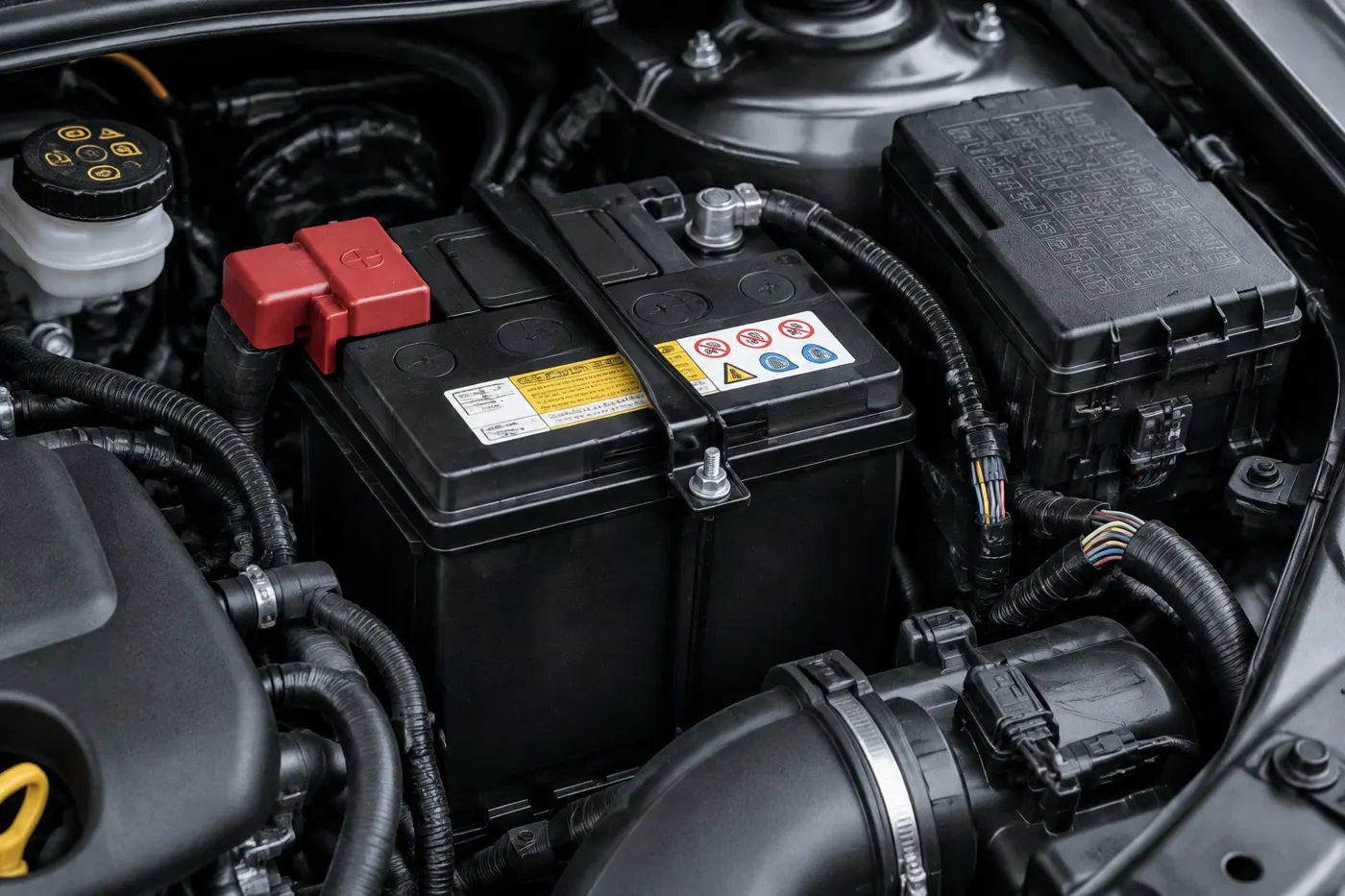
Batteries, wiring, and aftermarket accessories carry current through the vehicle. Chafed insulation, loose connections, or improper installations can generate heat. Electrical work is best left to qualified technicians.
02
Fuel lines, injectors, and tanks are designed to contain flammable liquid. A fuel smell, visible drips, or wet spots under the vehicle are reasons to stop driving and seek a professional inspection.
03
An engine running hotter than normal can affect nearby components and fluids. Watch the temperature gauge and warning lights, and avoid opening a hot radiator cap.
04
Worn hoses, old gaskets, and debris such as leaves or nesting material near the exhaust can raise risk over time. Routine inspections help catch these early.